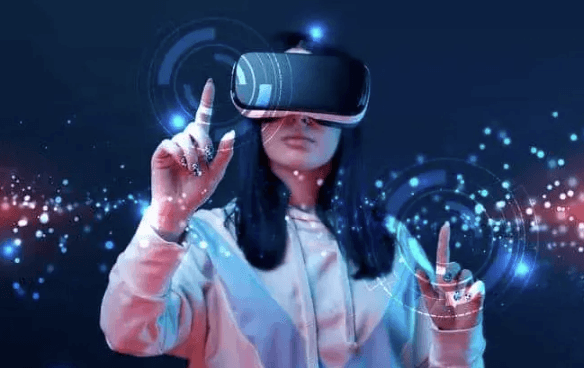
Technology is reshaping how audiences discover and experience entertainment. Personalization and real-time data drive tailored content and streamlined discovery, while AI aids production with greater efficiency and consistency. Immersive AR/VR, spatial audio, and tactile interfaces expand narrative agency beyond passive viewing. Connected platforms enable global collaboration with edge computing, yet latency persists as a constraint. The result is a more audience-centric, scalable ecosystem that invites further exploration into what comes next.
How Technology Transforms User Experience in Entertainment
Technology reshapes how audiences engage with content by enabling more personalized, real-time, and immersive experiences.
In this landscape, user experience hinges on how interfaces anticipate needs and streamline discovery.
The analysis emphasizes storytelling cadence as a meter for engagement, while audience personalization tailors journeys without sacrificing accessibility.
This approach supports deliberate, freedom-minded choices, reducing friction and inviting continuous, data-informed experimentation.
The Rise of AI and Automation in Content Creation
Analysts note measurable gains in efficiency and consistency, while preserving creative intent.
AI assisted scriptwriting and automated music generation illustrate domain-specific gains, prompting ethical considerations, skill evolution, and new collaboration models for a freedom-seeking audience.
Immersive Worlds: AR, VR, and the Next Frontier of Storytelling
Immersive Worlds are reshaping storytelling by weaving augmented and virtual realities into narrative structures, enabling audiences to inhabit rather than observe.
This shift emphasizes audience agency, spatial audio, and tactile interfaces, cultivating immersive storytelling that reframes authorship and interaction.
As technology lowers barriers, creators test adaptive plots and non-linear timelines, prioritizing experiential coherence, ethical design, and scalable, accessible experiences across diverse ecosystems.
Connected Platforms and Real-Time Collaboration Across Borders
The approach emphasizes modular tooling, transparent versioning, and cross platform syncing, enabling parallel development and rapid feedback.
Cross border latency remains a practical constraint, driving optimized routing and edge computing strategies to sustain uninterrupted creative momentum and global, freedom-oriented collaboration.
Frequently Asked Questions
How Will Accessibility Evolve With New Entertainment Tech?
Accessible UX and Haptic media will drive personalized, inclusive experiences, with adaptive interfaces and tactile feedback shaping immersive enjoyment; innovations will prioritize perception, autonomy, and choice, enabling diverse audiences to navigate, engage, and share entertainment freely and confidently.
What Are the Privacy Implications of Personalized Content?
In coincidence, privacy concerns emerge as personalized content intensifies data flows; the analyst notes that user profiles enable precise targeting while risking opaque data exploitation, surveillance-like patterns, and consent gaps, prompting cautious optimism about empowered yet protected, freedom-driven consumption.
Will Traditional Cinemas Survive Ai-Driven Content Shifts?
Cinemas may endure, yet cinematic AI reshapes demand curves as audience curiosity migrates toward immersive storytelling; studios adapt by hybrid models. The theater’s identity evolves, balancing spectacle with flexible delivery, while audiences seek autonomous, shared, multi-sensory experiences.
See also: How Technology Is Improving Online Customer Experiences
How Does Tech Impact Artistic Integrity and Originality?
Tech influences artistic integrity and originality dynamics by expanding possibilities yet pressuring conformity; creators leverage tools for unique visions while platforms and metrics risk homogenization, demanding vigilant standards, transparent workflows, and deliberate safeguards to preserve authentic, diverse expression.
What Job Opportunities Arise From Advanced Entertainment Tech?
Advanced entertainment tech creates roles in creative coding and virtual sets, enabling specialists to design interactive experiences, optimize pipelines, and simulate environments; analysts note these opportunities advance experimentation, collaboration, and autonomy within evolving media ecosystems.
Conclusion
Technology steadily refines entertainment by smoothing edges and expanding options. AI and automation lightly shoulder routine tasks, freeing creators to refine intent and nuance. Immersive AR/VR environments gently invite agency, while spatial audio and tactile cues offer richer perception without overwhelming the senses. Connected platforms enable near-instant collaboration across borders, though latency remains a subtle constraint to monitor. Overall, the trajectory is toward a more personalized, ethical, and scalable landscape where audience experience guides ongoing innovation.
